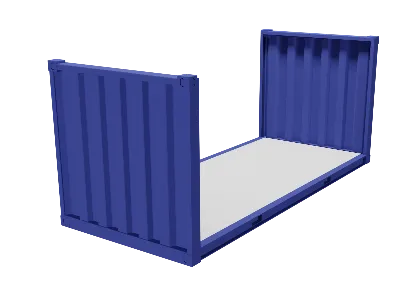
Container Types

Types and technical specifications of containers used in international transportation

Containers used in international transportation vary in size and specifications depending on the type of cargo. Choosing the right container is critical in terms of cost efficiency, safety, and operational performance.
Standard (Dry Van) Container
01

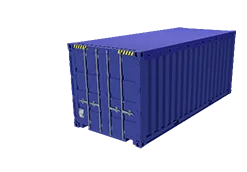
Standard (Dry Van) Container

The most commonly used container type.
Technical Specifications
  • Available in 20 ft and 40 ft options
  • Fully enclosed and waterproof structure
  • Suitable for general cargo transportation
Areas of Use
  • Palletized goods
  • Boxed cargo
  • Textile products
  • Electronics
  • Machine parts
Reefer (Refrigerated) Container
02

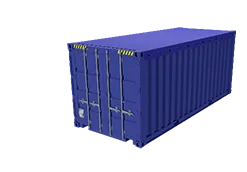
Reefer (Refrigerated) Container

Used for temperature-controlled transportation.
Technical Specifications
  • Temperature control between -30°C and +30°C
  • Built-in cooling unit
  • Requires electrical connection
Areas of Use
  • Food products
  • Frozen goods
  • Pharmaceutical and medical products
  • Flowers and plants
Open Top Container
03

Open Top Container

A container model with an open top.

Technical Specifications
  • Covered with tarpaulin on top
  • Can be loaded from above with crane
  • Produced in standard dimensions
Areas of Use
  • Heavy machinery
  • High-volume cargo
  • Goods requiring top loading
Flat Rack Container
04

Flat Rack Container

A special transport container without side walls.
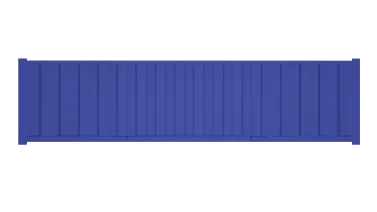
Technical Specifications
  • No side panels
  • Suitable for heavy and oversized cargo
  • Equipped with cargo securing points
Areas of Use
  • Construction machinery
  • Large generators
  • Industrial equipment
High Cube Container
05

High Cube Container

Has a higher structure compared to standard containers.

Technical Specifications
  • Height approximately 2.70 m in 40 ft model
  • Provides volume advantage
  • Ideal for light but bulky cargo
Areas of Use
  • Furniture
  • Light industrial goods
  • Textile products

What Should Be Considered When Choosing a Container?

Cargo Weight
Cargo Volume
Temperature Requirement
Loading Method
Destination Country Regulations

Choosing the right container provides cost advantages and minimizes the risk of damage during the transportation process.

Get a Quick Quote

We are here to offer tailored logistics solutions!

By submitting this form, you agree to our Privacy Policy.
Cookie Usage

Our website uses only essential technical cookies. Google reCAPTCHA may use third-party cookies. Privacy Policy